SOAP notes without the typing: how AI scribes work in a private clinic
How an AI scribe drafts each SOAP section from the consultation for the doctor to check and approve, which sections still need the doctor, and four questions to ask before you choose a system.
On this page
An AI scribe in a private clinic listens to the consultation, sorts what was said into the four SOAP sections, and has a draft note ready for the doctor shortly after the patient leaves. The doctor still runs the consultation the same way. What changes is that the note starts as a draft to check, not a blank field to fill at the end of the day.
This is for private clinic doctors who write their own notes and finish them after hours. If you already have a human scribe or a nurse who writes notes during the visit, the gain is smaller.
An AI Medical Scribe System doesn't change how you talk to patients. Notes written at the end of a session from memory lose detail; a draft built from the conversation itself keeps it.
What happens during a consultation with an AI scribe running
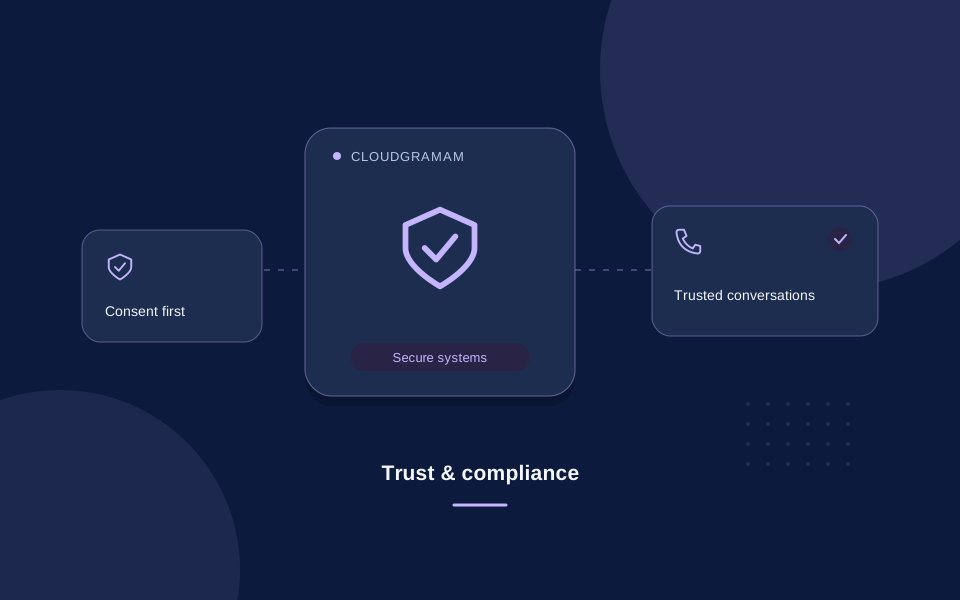
The doctor starts the session, with consent handled per the clinic's policy. A microphone on the desk picks up the conversation.
The scribe doesn't hand back a raw transcript. It drafts a SOAP-format note, a short summary and a follow-up message for the patient. The doctor reads the draft, corrects anything misheard or put in the wrong section, and approves it. The AI never finalises a note without that sign-off.
Where the time savings come from
People assume AI scribes save time by typing faster. The bigger saving is the switch between clinical thinking and writing. Every time a doctor finishes a consultation and opens an empty note, they have to rebuild the visit from memory. Over a full clinic day that adds up, and it is the part that lands in the evening.
When the draft already exists, the doctor's job is checking, which is faster and easier to fit between patients. Documentation load is a recognised strain: in the AMA's 2024 report on physician burnout, 48.2% of US physicians reported at least one symptom of burnout in 2023, and respondents pointed to a need for more documentation help and support staff.
The parts of a SOAP note an AI scribe handles well
Some sections are easier for a scribe than others, because they depend on what is said aloud:
- Subjective: the chief complaint and history, taken from what the patient says and the doctor's questions.
- Objective: vitals and examination findings the doctor says aloud, for example "chest clear, heart sounds normal, no peripheral oedema."
- Assessment: the diagnosis or working diagnosis, when the doctor states it.
- Plan: medicines, referrals, follow-up interval and investigations ordered.
What still needs the doctor is reasoning they didn't say aloud. The scribe doesn't guess; it drafts from what it heard. A practical habit that helps: say your examination findings out loud as you go, which also tells the patient what you're checking.
How a private clinic sets this up without disrupting its systems
The usual first worry is a second documentation workflow that doubles the work. The aim is the opposite: the approved note is saved to the record your clinic already uses, through your clinic management or EHR software where it allows integration.
Our setup runs in steps. In the first week we map your consultation flow and set up consent and data handling to match your privacy requirements. In the second we configure note and follow-up templates for your specialty, so drafts look like your clinic's notes. In the third we pilot with one or a few doctors, collect feedback on note quality, and tune before wider use. Each doctor's templates can differ.
What to ask before committing to a scribe system
Ask any vendor, including us, these four questions:
- Is audio processed on a device in the clinic or in the cloud, and where is patient data stored?
- How does it handle terms from your specialty, and can you test it on your own consultations?
- What happens with overlapping speech, such as a relative answering for the patient?
- How do you correct an error, and is the correction recorded?
The data question matters most. Audio of a consultation is sensitive, and you need a clear answer on where it goes, how long it is kept and who can access it. If a vendor can't answer the first question in one sentence, keep looking.
See how these systems fit into a practice on the healthcare clinics page, or open the AI medical scribe demo to see a drafted SOAP note.
Cloudgramam builds documentation systems for private clinics around how the clinic already works. If your doctors are still typing notes at 7 pm, talk to us about what a scribe setup looks like for your practice.